Lead real change in the Negev.

For BGU students from all faculties

Hands-on experience
leading a venture

Scholarship subject to meeting program requirements and commitments.Places are limited.

Gain experience developing a venture with Prisma Negev’s ACT BGU. Work in a multidisciplinary student team with professional guidance to address a real need in the Negev, build a prototype and test it in the field.

You do not need a ready-made idea.

AI-generated illustration: a team developing a prototype for a community space in the Negev
From idea to prototype. Together.AI illustration
Cliffs and open landscapes of the Ramon Crater in the Negev
The Negev, our starting point

What will you gain
along the way?

Practical experience, people to learn with and tools to practise as you develop your venture.

Connect what you study with questions from the field, your teammates’ ideas and feedback along the way.

01

ACTION

Experience developing a venture

From understanding a need to prototyping and field testing.

Learn more ↗

ACTION · 01

Experience developing a venture

Practise researching needs, developing and testing a solution, and learning from feedback and results.

Back ↺
02

COMMUNITY

People to work and grow with

A multidisciplinary team, professional guidance and connections with local partners.

Learn more ↗

COMMUNITY · 02

People to work and grow with

Work with students from different fields, share responsibilities and receive guidance and feedback along the way.

Back ↺
03

TRANSFORMATION

Tools to put into practice

Needs research, AI for messaging, and tools to tell your story and present an idea.

Learn more ↗

TRANSFORMATION · 03

Tools to put into practice

Try digital tools and AI to develop messages and reach an audience. Shape your venture’s story, practise presenting it and receive feedback.

Back ↺

INTERACT

Step out of the classroom.
Put ideas into action.

Start with a real need and work together on a way to address it.
Meet people, ask questions and test ideas in the field.

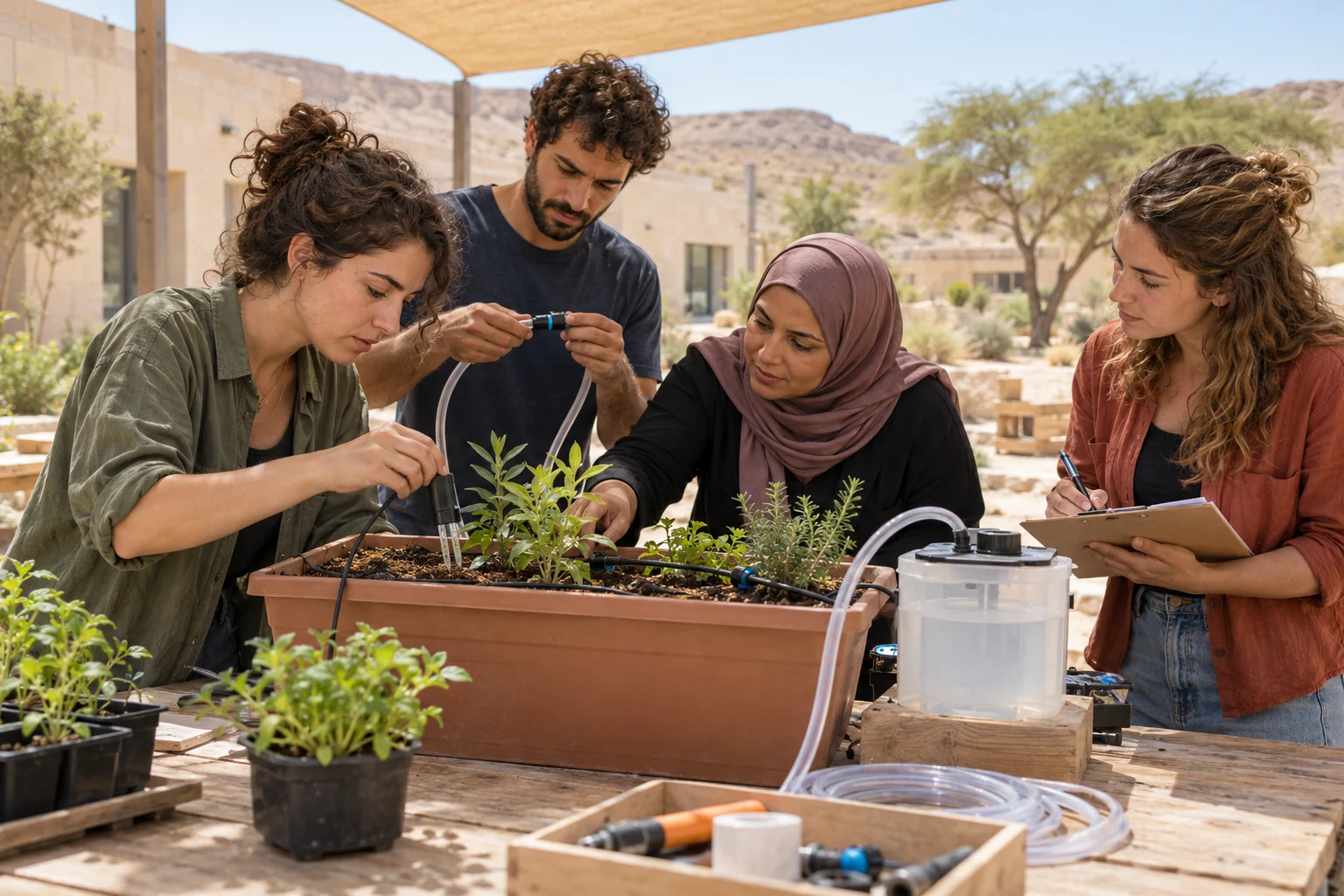
AI-generated illustration: a team testing an irrigation prototype with a local partner in the Negev
Testing a solution in the field.AI illustration

COACT

You do not have to do
it alone.

Share responsibilities, get feedback from mentors and test ideas with field partners.

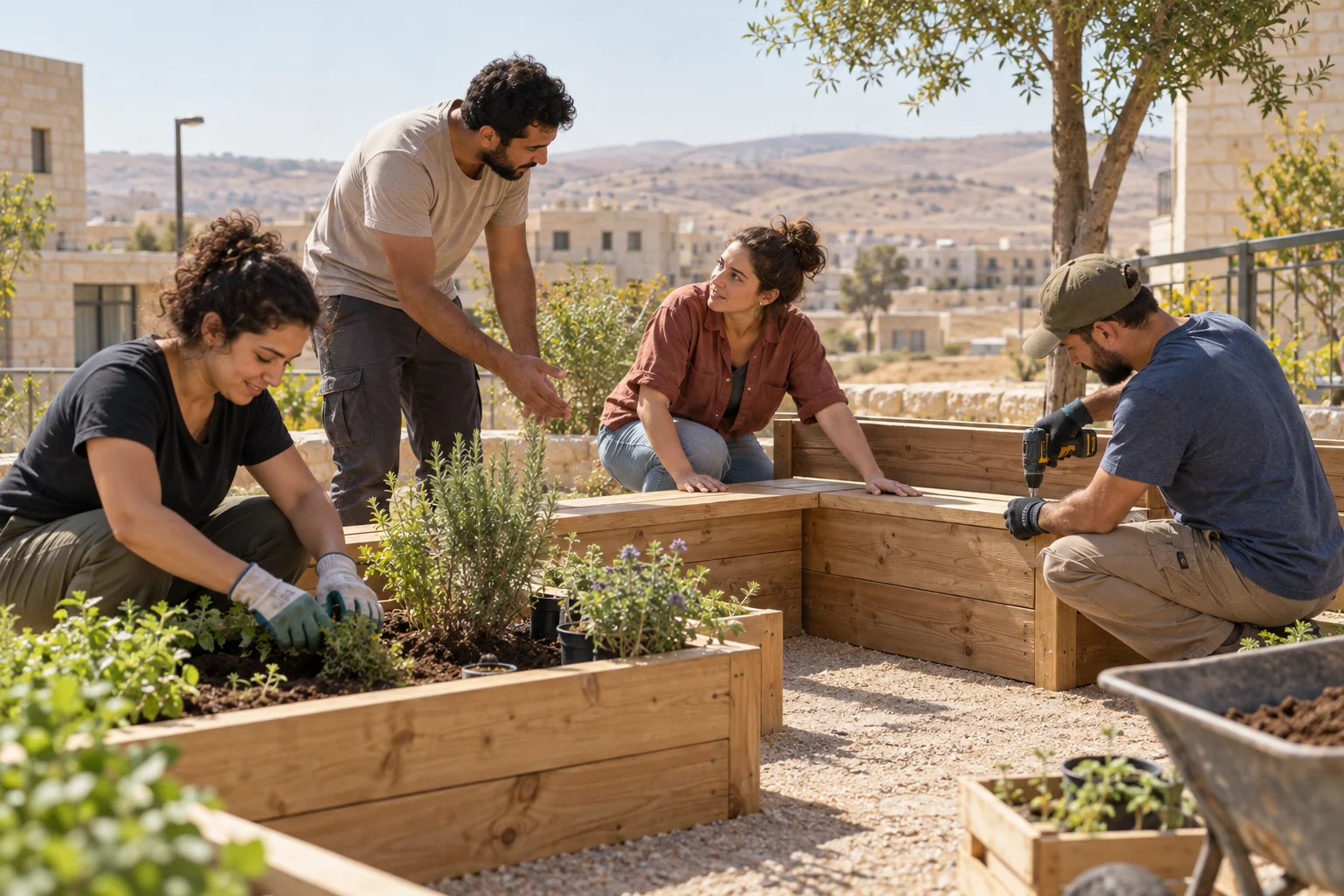
AI-generated illustration: a team and local partners creating a community garden and seating area in the Negev
Building with the community, step by step.AI illustration
01

Your multidisciplinary team

Share responsibilities, combine knowledge from different fields and make decisions together.

02

Your mentors

Bring questions and work in progress to your mentors, and use practical tools and feedback to move forward.

03

Community and field partners

Listen to people affected by the challenge and work with them to test whether your idea fits their needs.

Every session opens
a new possibility.

Build a prototype, test it in the field and prepare a presentation that tells your venture’s story and shares what you have learned.

12 anchor sessions, alongside enrichment sessions and tours, and individual mentoring sessions arranged with the teams. This journey outlines the program. A detailed syllabus and schedule will be sent to accepted participants.

All 12 sessions

01 / ACTIVATEOpening and inspiration

What change would we like to be able to lead?

Meet the program and one another, explore social initiatives and begin connecting personal interests with regional needs.

You leave with: A personal map of interests and initial questions.

02 / COACTBuilding multidisciplinary teams

What can we do together that we could not do alone?

Discover complementary knowledge and strengths, practise collaboration and establish the foundations of a multidisciplinary team.

You leave with: A team skills map and principles for working together.

03 / CONTACTCommunity research

What matters to the people living with this challenge?

Plan listening and research: questions, sources and conversations with stakeholders. Learn to distinguish assumptions from evidence.

You leave with: A research plan and stakeholder map.

04 / INTERACTLearning in the field

What can reality tell us that we did not know to ask?

Explore the local context, record observations and listen to different perspectives. Return with better questions.

You leave with: Field insights and initial evidence of a need.

05 / EXACTDefining needs and developing ideas

Which problem is worth addressing, and who does it matter to?

Bring together the learning, define a focused problem, develop alternatives and test them with the people involved.

You leave with: A defined need and alternative approaches.

06 / REACTPrototyping the initiative

How can we test an idea before building everything?

Build a focused prototype, decide what to learn from it and explore feasibility and fit with the context.

You leave with: A prototype and a testing plan.

07 / PROACTCommunity innovation workshop

What needs to happen for the idea to reach the field?

Turn learning into an action plan. Work with partners to define responsibilities, resources and measures of success for a pilot.

You leave with: A pilot plan developed with the community partner.

08 / ENACTDigital communication and AI

How do we reach the right people in the right way?

Develop a message and outreach plan, try digital and AI tools, and retain human review and transparency.

You leave with: A message, an outreach channel and a record of AI use.

09 / EXTRACTReviewing results and learning

What changed, and what does the evidence allow us to say?

Analyse pilot results and field feedback. Distinguish success, limitations and questions that remain open.

You leave with: Results, lessons and proposals for improvement.

10 / ATTRACTTelling the initiative’s story

How do we tell the story without losing its complexity?

Connect the need, people, action and learning in one story. Explain what is needed for the initiative to continue.

You leave with: An initiative story and draft presentation.

11 / PRACTICEPitch clinic

What would help someone understand and want to join?

Present, receive peer and professional feedback, refine answers and improve the presentation.

You leave with: An updated presentation and answers to key questions.

12 / IMPACTNegev community innovation summit

How can the end of the program become a starting point?

Share outcomes and learning, meet partners and plan a responsible handover and continuation.

You leave with: An initiative portfolio and continuation plan.

The work continues between sessions.

Research, team meetings, mentoring and community action run throughout the journey. The field pilot takes place between sessions 7-9, alongside the learning.

07 09

Prisma Negev is behind ACT BGU

Watch on YouTube ↗

Prisma Negev, Ben-Gurion University’s center for regional innovation, connects academic knowledge with local authorities, industry and civil society organizations. The center advances partnerships and initiatives that address the needs of people and communities in the Negev.

ACT BGU is a Prisma Negev program where students develop ventures in multidisciplinary teams, with professional guidance and a connection to needs in the field.

What to know before you begin

Who is the program for?

For BGU students from all faculties: bachelor’s students from their second year, and master’s or PhD students from any year. Final-year students may apply if available throughout the program, including summer.

Program dates

Planned start: Planned end:

What does the program include?

  • 12 anchor sessions
  • Enrichment sessions and tours
  • Individual mentoring sessions, arranged with the teams

Alongside the sessions, you will work as a team on your venture.

Combining the program with your studies

The detailed session schedule will be set later, taking participants’ university timetables into account as far as possible. Participation is required across all three semesters, including summer.

Scholarship

NIS 10,000.
Subject to active participation, teamwork and completion of program outputs.

Selection

Submit an application with a PDF CV. Selection includes an application review and a personal interview.

Applications for the upcoming cohort are open.

Application deadline: 29 November 2026, 23:59 Israel time.

Apply now ↗

Your turn to take action.

Apply now

Questions about ACT BGU

Display preferences

Preferences are saved on this device where browser storage is available. Browser zoom and accessibility settings are also supported.

Negev photograph

Ramon Crater, Hagai Agmon-Snir. Wikimedia Commons.

CC BY-SA 4.0. The photograph is cropped and colour-adjusted; the visual adaptation is offered under the same licence. This does not imply the photographer’s endorsement of the program.

Loading the form...

You can leave your details and decide later whether to apply.

The form is currently in Hebrew.

Loading the form...